
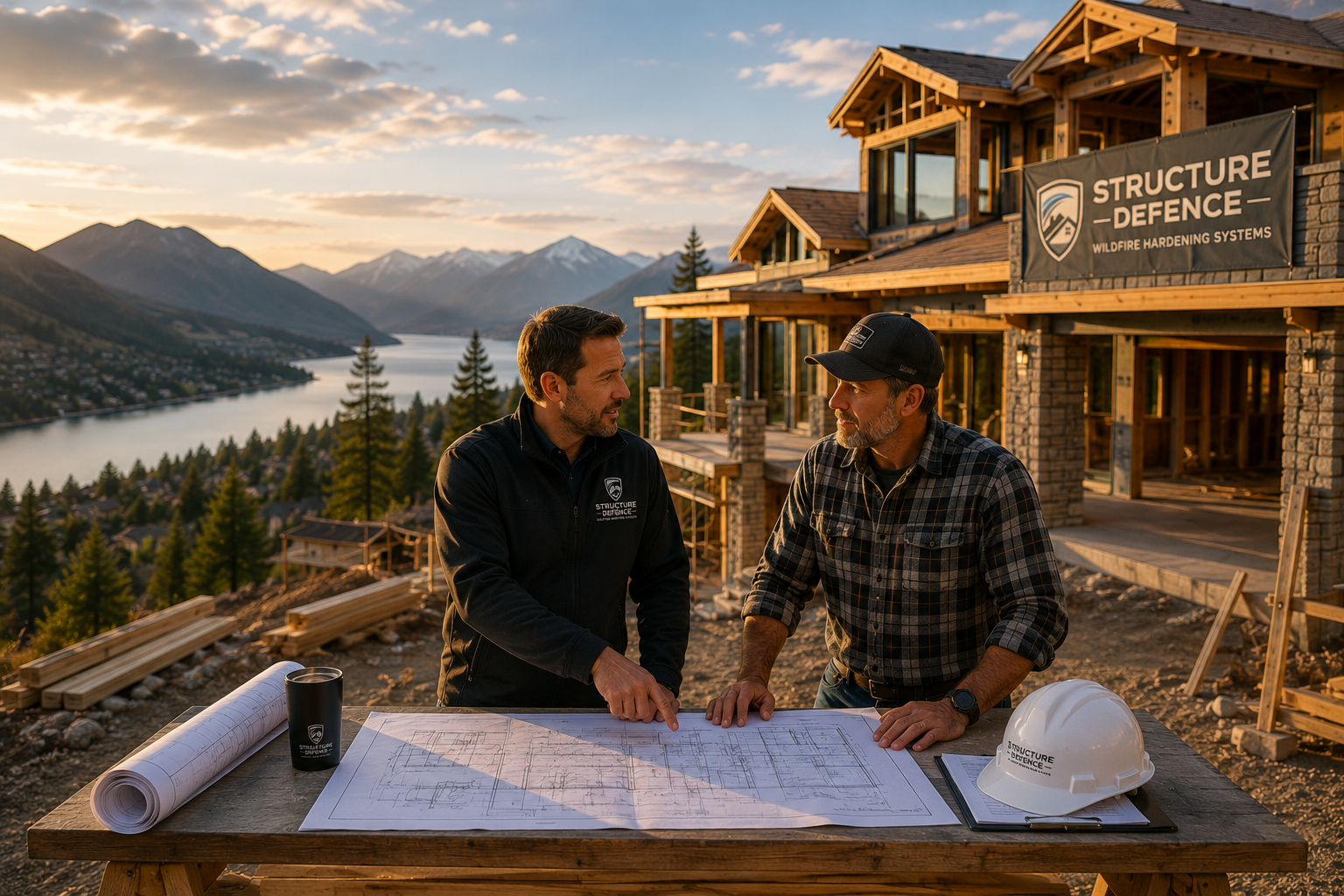
Builders
Build Resilience. Deliver Confidence.
Wildfire resilience is no longer optional.
We help builders and developers design and build properties that are safer, stronger, and more valuable for the future.
Where are you?
Choose the option that best describes your current focus. We’ll help you identify the next best step.

Exploring Wildfire Resilience
You’re early in the process and want to understand wildfire resilience for your projects.
Designing A Project
Plan ahead with confidence. Learn what matters most. Understand the risks in your area.

Looking For A Differentiator
Offer mitigation systems designed by firefighters. With systems, standards and certifications.

Seeking A Resilience Partner
I want to work with a reputable partner and offer the highest service and quality.
Common Questions We Hear.
Builders ask these questions as they plan, design, and build in wildfire prone areas
-
Wildfire resilience means considering how a property, building, or development can better withstand wildfire exposure. This may include site planning, building materials, landscaping, access, and other design decisions that help reduce risk and improve long-term safety.
-
The earlier, the better. Involving wildfire resilience considerations during planning and design creates more opportunities to reduce risk, improve outcomes, and avoid costly changes later in the project.
-
Homeowners are increasingly looking for homes that are safe, durable, and prepared for future risks. Features that improve wildfire resilience can provide greater peace of mind, protect property value, and help homeowners feel more confident in their investment.
-
Wildfire resilience can add value by helping protect people, property, and long-term investments. It can improve buyer confidence, support future insurability, enhance marketability, and demonstrate a proactive approach to building in wildfire-prone areas.
-
Requirements can vary depending on your location, project type, and local regulations. Building codes, FireSmart principles, and community-specific guidlines may all play a role. Understanding these considerations early can help ensure your project is better prepared for current and future wildfire risk.
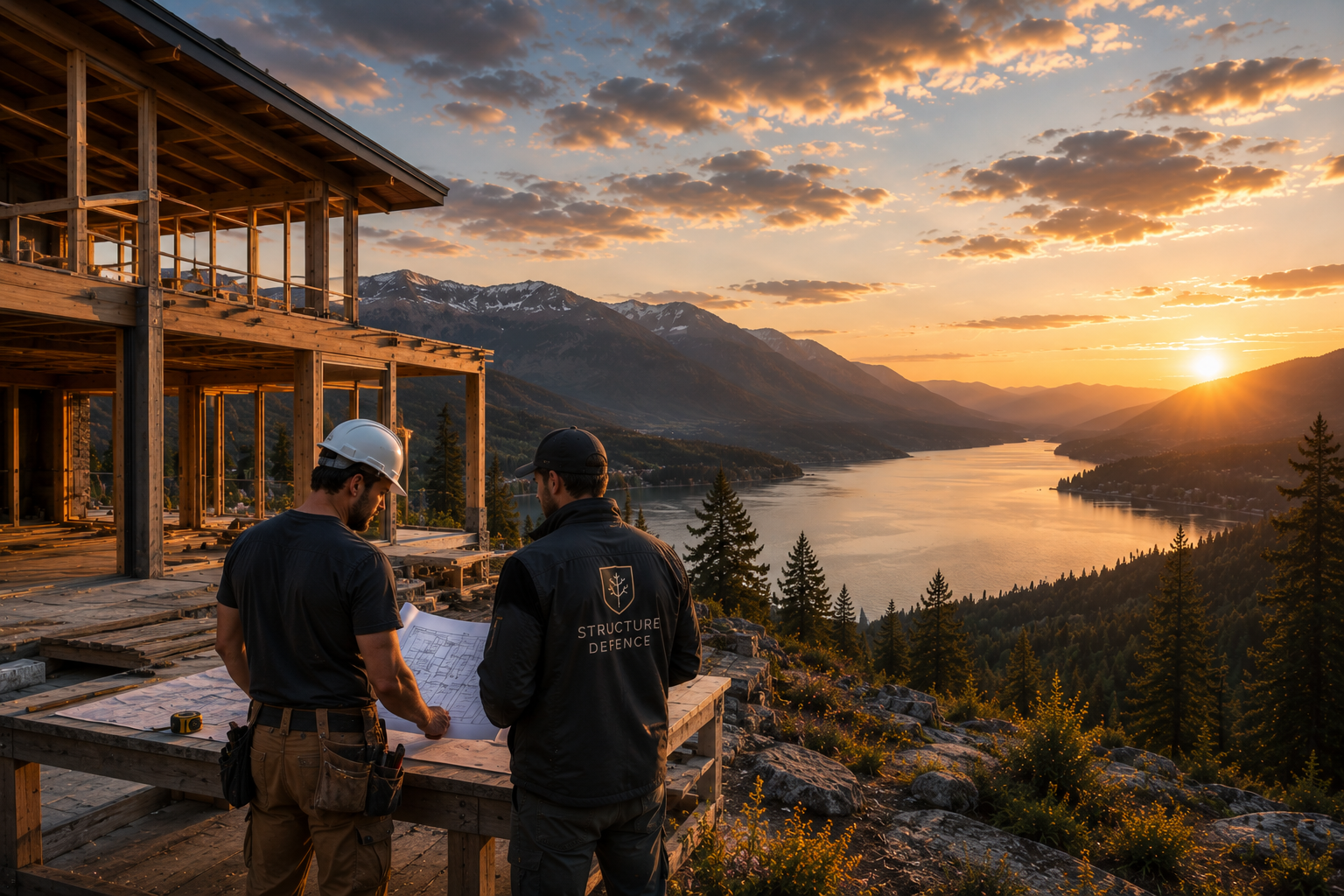
What We’ve Learned From The Front Lines.

Resilience is designed not added later.
The best outcomes happen when resilience is part of the plan from the beginning.

Small decisions create big outcomes.
Simple choices in materials, design, and landscaping make the biggest difference.

Clients trust what you build.
Homeowners are looking for builders who take wildfire risk seriously and build with integrity.
Potential next steps.
Based on your focus, the right next step might include:

Design Review
Early-stage review of plans and site considerations.

Wildfire Risk Assessment
Identify risk and prioritize what matters most.
Resilience Planning
Actionable strategies that fit your project and budget.

FireSmart Guidance
Landscape and site solutions that protect your build.
Resilience Systems
Integrated solutions for critical protection and peace of mind.

Ongoing Partnership
Long-term support as your projects evolve.